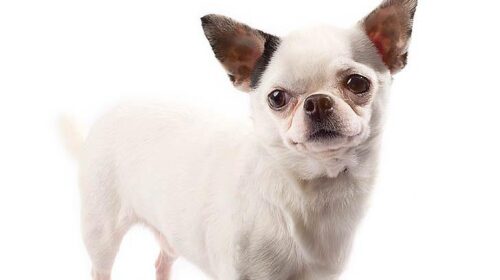
The Chihuahua is a small breed of dog, renowned for its beauty, alertness, and agility. Its compact body and small stature make it extremely popular. It is not only a loving companion, but also possesses hunting and guarding instincts like those of larger breeds, giving it a terrier-like temperament. This breed is available in both long-haired and short-haired forms. Despite its small size, it is not afraid of other dogs and has a strong attachment to its owners. Short-haired Chihuahuas are distinguished from long-haired Chihuahuas by their shiny, thick, and silky fur. Long-haired Chihuahuas have thicker fur on their backs.
Introduction to the Chihuahua Breed
The Chihuahua is one of the world’s smallest dog breeds, named after the Mexican state of Chihuahua. The breed comes in both long-haired and short-haired varieties. These dogs are small in stature, fearless of other dogs, and extremely loyal to their owners. Among small breeds, the Chihuahua is one of the smallest, prized for its beauty, alertness, swiftness, compactness, and compact size. Chihuahuas aren’t just cute toy dogs; they also possess traits of larger breeds.
Chihuahua’s coat (fur)
Smooth-haired dogs have soft, fine, dense, smooth, and shiny fur. (There may also be a slightly thicker underfur.) The fur is evenly distributed over the entire body, ideally forming a fringe around the neck. [In contrast,] the fur on the head and ears is slightly shorter. The tail is ideally dense. For long-haired dogs, the fur is soft, straight, or slightly wavy, and underfur is preferred. The ears are sparsely haired. (Excessively hairy ears may be affected by hairiness.)
Chihuahua colors
Speaking of coat colors, black varieties were once predominant in Mexico, but colors have now diversified to include cream, red, brown, black with tan stripes, and various mixed colors.
Head
Traditional purebred Chihuahua dogs have a fingertip-sized depression on the top of their skull, a key indicator of their authenticity. The ideal head shape is round, resembling an apple. The facial expression is attractive.
eyes
The eyes are large but not protruding, well-shaped, and ideally bright black or red (pale yellow or white dogs may have white eyes).
Ear
The dog’s ears are large and stand erect, standing more alertly when the dog is alert, but when it is relaxed they are set differently, forming a 45 degree angle between them.
nose
In golden dogs, the nose matches their body color or is dark black. In merle, blue, or chocolate dogs, the nose matches their body color; in light-colored dogs [Note: Referring to dogs with light body colors], the nose may be pink.
Chihuahua tail
The tail is of medium length, carried high and curved like a sickle, or carried over the back with the tip touching the back (never tucked between the legs). Short or cropped tails are disqualifications. Broad chest and strong forelimbs, but never bulldog-like.
Neck
Slightly arched, connecting beautifully with sloping shoulders.
front part
The shoulders are narrow, gradually widening downward. The forearms are straight, allowing free movement of the elbows. The shoulders are well set back, balanced, and strong, sloping toward the back (the shoulders should not be hunched or too low). The chest is broad and the forelimbs strong, but not bulldog-like. The feet are graceful and attractive, with the toes well spread on short, attractive claws, but not too splayed. The paws are thick (not rabbit- or cat-like). The ankles are slender.
previous part
Muscular and well-aligned, neither too close nor too far apart. Viewed from below, they appear strong and solid. The legs are as described on the front.
Origins of the Chihuahua’s Evolution
Little is currently known about the origins of the Chihuahua breed. One popular theory suggests that the Chihuahua’s ancestors may date back to the Aztec civilization, which ruled over modern-day Mexico during the 9th century. Their royal courts bred a breed called the Techichi, which closely resembled the Chihuahua but was larger. However, modern Chihuahuas are primarily kept as pets.
They held religious significance in ancient times and were often buried with the dead as sacrifices. The Chihuahua is considered one of the oldest dog breeds in North America. The modern Chihuahua was developed in the 19th century by importing native Mexican dogs into the United States and crossing them with other breeds. Initially, only the short-haired variety existed. Later, through breeding with dogs such as the Papillon, the long-haired Chihuahua was created.
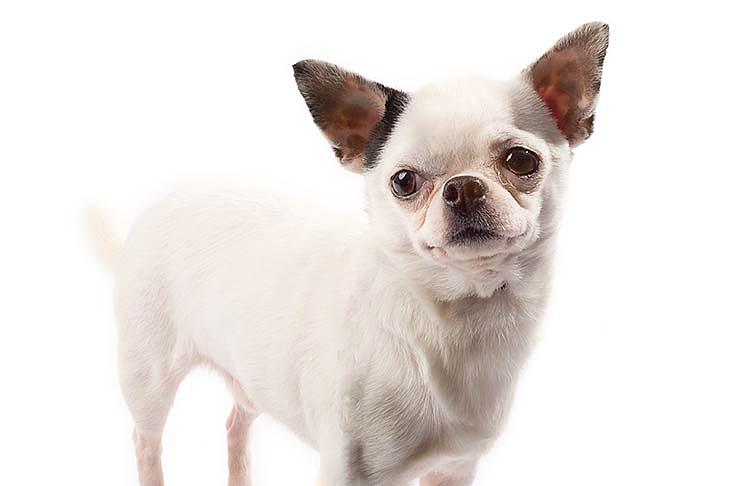
Chihuahua photo
How much does a Chihuahua cost?
as per Pets Army Chihuahuas in India typically cost between ₹5,000 and ₹40,000. Prices vary depending on appearance and quality. Nowadays, most people raise Chihuahuas primarily as family companions. Appearance and breed requirements for such pet Chihuahuas are not very high. Chihuahuas with acceptable appearance and quality, and a calm temperament, are suitable for purchase in the pet market, selling for around ₹5,000. Even in kennels, pet Chihuahuas typically cost between ₹5,000 and ₹40,000. It’s not advisable to purchase dogs that are too low in price, as they often develop various problems after being brought home.
Chihuahua Intelligence Profile
Chihuahuas are small in size and highly intelligent. Although they rank 67th in the dog intelligence rankings—a relatively low score—they demonstrate unparalleled alertness and agility in daily life. With their large eyes and cheerful, lively temperament, they understand their owners’ gestures, follow commands, and can complete training tasks.
Chihuahuas love to socialize and play with their families, and show deep dependence, loyalty, and obedience toward their owners. Generally, owners can train Chihuahuas to develop good habits and behavior. To achieve the best results during training, owners should repeat exercises consistently. This helps Chihuahuas form habitual responses, understand the meaning of commands, and remember training for a long time.
Chihuahua personality traits
Chihuahuas are often praised for their temperament and loyalty. However, their small size makes them extremely vulnerable to injury. Therefore, Chihuahuas are not suitable as pets for children, but are best suited as companions for the elderly or single women. Their small size also has some advantages: their small stature helps them adapt easily to modern lifestyles, including urban areas and small apartments. Their alertness and intelligence make them popular among city dwellers. Typically, Chihuahuas can live up to 15 years or more.
Chihuahua lifestyle habits
The Chihuahua is the smallest breed of toy dog, known for its tenacious nature, beauty, alertness, and affectionate nature. They dislike unfamiliar dogs of their own breed and bear some resemblance to terriers. Energetic by nature, Chihuahuas have a strong will, but are sensitive to cold. They are not suitable for outdoor kennels and require a warm coat when outdoors in the winter.
They are very popular due to their fast gait, compact body, and small stature. They come in both long-haired and short-haired varieties. Despite their small size, they are fearless around other dogs and show courage in defending themselves against larger breeds. They are very possessive of their owners. Their daily exercise requirements are low, and frequent walks are unnecessary.
They are particularly well-suited for apartment living, as Chihuahuas can comfortably spend most of their time indoors. Keeping them outside is not advisable, as extreme temperatures – whether hot or cold – can easily make them sick. Owners should take them out for walks and sunbathing during favorable weather. Chihuahuas are naturally sensitive to cold and can develop pneumonia and arthritis if exposed to cold. Special attention should be paid to keeping them warm during the winter. If a dog shows problems with indoor potty training, the first step is to ensure that they have been thoroughly and regularly potty trained. If not, owners will need to retrain them.
Sometimes, even dogs with good potty habits may defecate indoors due to diarrhea. However, if they later start using the same spot repeatedly, owners should limit their access to that area and resume proper potty training.
Advantages and disadvantages of the Chihuahua
First of all, don’t be fooled by the Chihuahua’s small size—they have a terrier-like temperament. Chihuahuas are extremely emotional, with remarkable agility and agility, which some people find disproportionate to their small size. Furthermore, the Chihuahua’s large, prominent eyes seem to penetrate one’s thoughts. In everyday life, Chihuahuas are extremely devoted to their families, especially their owners.
These small dogs have a strong possessiveness toward their owners, craving affection, companionship, and play. Although many people consider Chihuahuas to be inherently brave, they are actually naturally wary of strangers. Sometimes, due to their extreme fear of strangers, they may become shy or fearful. Therefore, after adopting a Chihuahua, avoid suddenly scaring or teasing them. Avoid putting unnecessary pressure on them, as their happiness and health are paramount. Nevertheless, Chihuahuas have an adventurous spirit. They are extremely curious and love to explore their surroundings. Those who have owned a Chihuahua know that these dogs do not like to be confined indoors. To stay happy and healthy, they require regular walks and exercise.
Selecting and Evaluating a Chihuahua
- Maintain the original regular feeding schedule and gradually introduce new foods: Sudden dietary changes can be upsetting to dogs, often leading to digestive problems and loss of appetite.
- Feed at regular times and in measured amounts: Don’t overfeed or give treats like eggs, milk, or sausage out of fear that the dog isn’t getting enough. Irregular feeding times and amounts by owners or visitors can easily lead to illness.
- Excessive play: Adult teasing, children’s play, constant hugs, and distractions tire the dog out and prevent it from getting any rest. Fatigue lowers the immune system, increasing the risk of illness—especially for puppies, who need at least 10 hours of sleep per day.
- Adapting to a new environment: When a dog leaves its familiar surroundings and goes to an unfamiliar place, it may feel lonely and helpless, missing its original owner. Without proper care, the dog may become ill. This is especially true for puppies that have just been weaned and separated from their siblings. If the food or room temperature is not favorable, they become even more susceptible to illness.
- Improper bathing: Some owners, assuming their dogs are dirty, bathe them immediately after bringing them home without drying them. This can easily make dogs sick. Ideally, newly purchased dogs should not be bathed. Observe them for the first two days. Vaccinate only after confirming that they show no symptoms, such as colds or diarrhea (vaccinations contain small amounts of viruses, which can worsen the condition of weak or already sick dogs).
- Contact with other dogs outside can lead to disease: Even vaccinated dogs are not 100% protected, let alone unvaccinated dogs. Newly purchased dogs should be isolated during the observation period. Do not take them out to play, avoid contact with other dogs, and even discourage other dog owners from touching them to prevent the spread of infection.
- If you already have a dog in your home, the new dog should be isolated and monitored for several days to prevent your existing healthy dog from becoming infected.
- Essential medicines and supplies: Thermometer, eye drops, cold medicine, diarrhea medicine, ear mite drops, lactobacillus tablets (to treat diarrhea and aid digestion). Medicines should be specially formulated for children or pets. Also, have some ice cream sticks ready (for temporary splinting in case of an accidental fracture to prevent further damage).
- Limit chicken liver intake to no more than twice per week, as excessive consumption can impair bone growth. Strictly control prohibited foods (see the “Dietary Restrictions” section for details).
- For puppies, ensure adequate warmth. Line their bed with clothes—ideally, old sleeves turned into short jackets.
FAQ – Chihuahua Dog Common Questions
What type of dog breed is a Chihuahua?
The Chihuahua is the smallest domestic dog breed. Cute, alert, and agile, it is widely popular due to its compact body and small stature.
Where does the name of the Chihuahua breed come from?
The Chihuahua is one of the smallest dog breeds in the world, named after the state of Chihuahua in Mexico.
What types of Chihuahuas are there?
This breed is found in both long-haired and short-haired varieties.
Are Chihuahuas loyal to their owner?
These dogs are small in stature, not afraid of other dogs and are extremely loyal to their owners.
What is the intelligence of a Chihuahua?
Chihuahuas are small and highly intelligent. Although they rank 67th in the dog intelligence rankings—a relatively low number—they still demonstrate exceptional alertness and agility in daily life.
What is the temperament of a Chihuahua?
Chihuahua breed dogs are often praised for their temperament and loyalty.
What is the lifespan of a Chihuahua?
Typically, Chihuahuas can live a lifespan of 15 years or more.
Can Chihuahuas live in apartments?
They are especially well-suited to apartment living, as Chihuahuas can comfortably remain indoors daily.
Are Chihuahuas sensitive to cold?
Chihuahuas are naturally sensitive to cold and can suffer from pneumonia and arthritis if exposed to cold.
Is it okay to keep a Chihuahua outside?
It is not advisable to keep them outside, as extreme temperatures – whether hot or cold – can easily make them sick.